
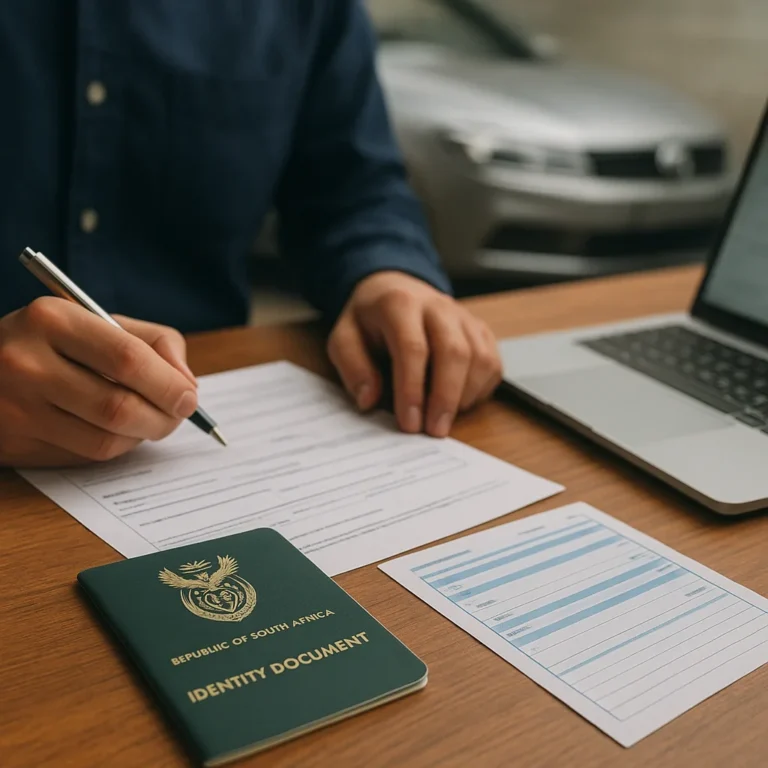
Paperwork can feel like a minor part of vehicle finance, yet missing or inconsistent documents can slow an application or make affordability harder to verify. South African lenders generally want evidence of identity, residence, income, banking activity, and existing commitments. The exact list varies by provider and by whether you are employed, self-employed, or applying jointly. Preparing the right files does not guarantee a no-deposit approval, but it helps the lender assess the application without unnecessary gaps. It also gives you a chance to spot outdated addresses, unexplained transactions, or repayments you forgot to include. This guide sets out the usual document categories, explains where different applicants may need extra evidence, and shows how to submit a cleaner, more credible application.
Start with identity and address proof
Most applications begin with identity verification. Keep a clear copy of your South African identity document or accepted passport, and check that the name matches your application. Lenders may also request proof of residential address, such as a recent municipal account, utility statement, lease, or bank correspondence, within a specified age limit. A document sent to an old address can create questions. If you have recently moved, prepare evidence explaining the change. Do not edit, crop out key details, or submit an unreadable photograph. A consistent identity and address trail helps the lender connect your application with the correct records.
Prove income in a way the lender can verify
Income documents depend on how you earn money. A salaried applicant may be asked for recent payslips, employment confirmation, and bank statements showing salary deposits. Commission, overtime, or irregular income may need extra history before it is counted fully. If you are self-employed, prepare business and personal bank statements, financial statements, tax documents, or other records showing sustainable earnings. Avoid sending screenshots with missing dates or account details when formal statements are available. The figures should tell one consistent story: income on the form should broadly match deposits and supporting records. If earnings vary, explain the pattern rather than presenting an unusually strong month as typical.
Prepare banking and affordability evidence
Bank statements can reveal both regular income and the commitments used in an affordability assessment. Download complete statements for the period requested, showing your name, account number, dates, and transaction history. Review them before submission so you can explain returned debit orders, overdraft use, large transfers, or recent loans. These entries do not automatically end an application, but unexplained activity can delay questions. Gather details of existing credit accounts and monthly instalments as well. If you recently settled a debt, keep confirmation of settlement. A neat package helps the lender distinguish ordinary household spending from obligations that affect the proposed vehicle repayment.
Know when extra documents may be needed
Some applications need more than the standard checklist. A joint application may require identity, address, and income documents from both people, while a recent job change can prompt an employment letter or probation details. Applicants with variable income may need longer statements, and foreign nationals may need valid permits or extra residence evidence. Buying from a dealer can also involve vehicle-specific paperwork, including a quotation, stock details, or valuation information from the seller. Ask for the provider’s exact list before applying. Irrelevant files create clutter; missing files create delay. Tailor the package to your circumstances instead of copying another applicant’s checklist.
Submit a clean, secure application
Before uploading, rename files clearly and check that each page is readable. Use the lender’s secure portal or an approved channel, not an informal message that exposes personal information. Keep a copy of what you submitted, the date, and any reference number. Never share banking passwords, one-time PINs, or remote access to your device; legitimate document requests do not require them. Compare the final checklist with your records, then ask when missing items must be supplied. Organized paperwork cannot change affordability rules, but it can reduce avoidable back-and-forth. The process also gives you a clearer view of the commitments you are considering.
Where to continue your research safely
To keep researching, review National Credit Regulator NCR Consumer Information and compare which option makes the most sense for your situation.
Key criteria to compare before you decide
A good decision depends on more than a first impression. Compare total cost, timing, reputation, effort required, and the clarity of the offer conditions. When those criteria are visible together, it becomes easier to tell whether an option solves the problem or only looks attractive at first.
How to use this guide for your next step
Review the criteria before moving forward
See which documents lenders commonly need before assessing an application calls for context, comparison, and patience. Use the points above as a practical checklist: revisit your goal, look for concrete signals, and move forward only when the choice fits your current needs.